
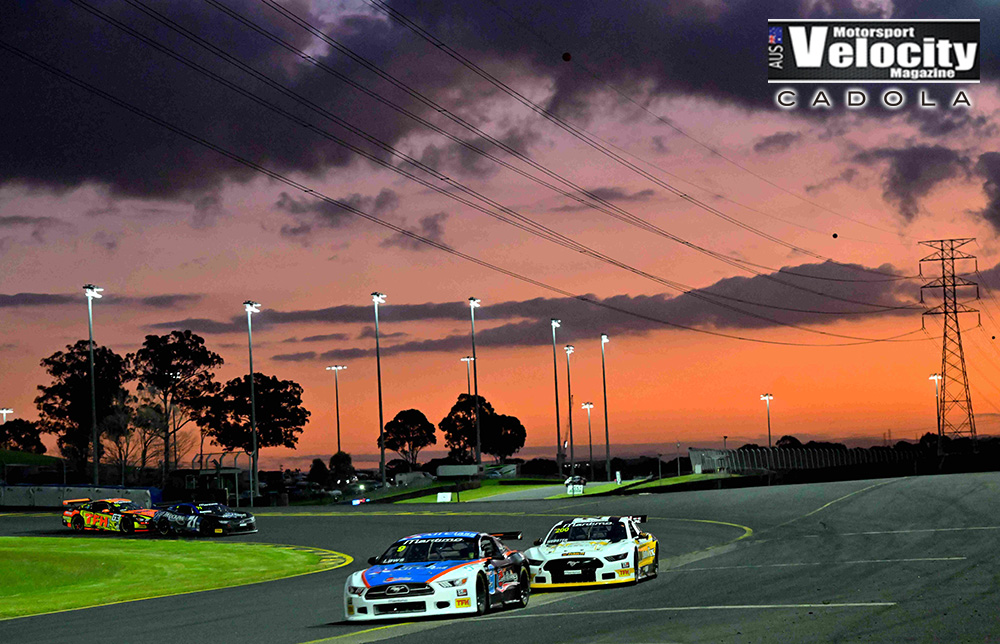
MEDIA RELEASE/Hi-Tec Oils Super Series - Photo: Velocity Magazine In just a few days’ time…
MARCOS AMBROSE AND STEPHEN WHYTE – GUIDING AASA AND THE HI-TEC OILS SUPER SERIES
Marcos Ambrose and Stephen Whyte – Guiding AASA and the Hi-Tec Oils Super Series into a new era of Australian motorsport.
The appointment of Marcos Ambrose to the management team of AASA and the Hi-Tec Oils Super Series was a piece of pure inspiration for the Stephen Whyte led AASA and George Gambino’s Hi-Tec Oils Super Series-Season four.
Ambrose’s position as an Australian Supercars Legend, NASCAR winner and 1999 European Formula Ford champion, placed the Tasmanian as a marquee player in the business of racing across the continents Australia, Europe and North America.
To put it quite simply, money just can’t but this level of experience and racing knowledge.
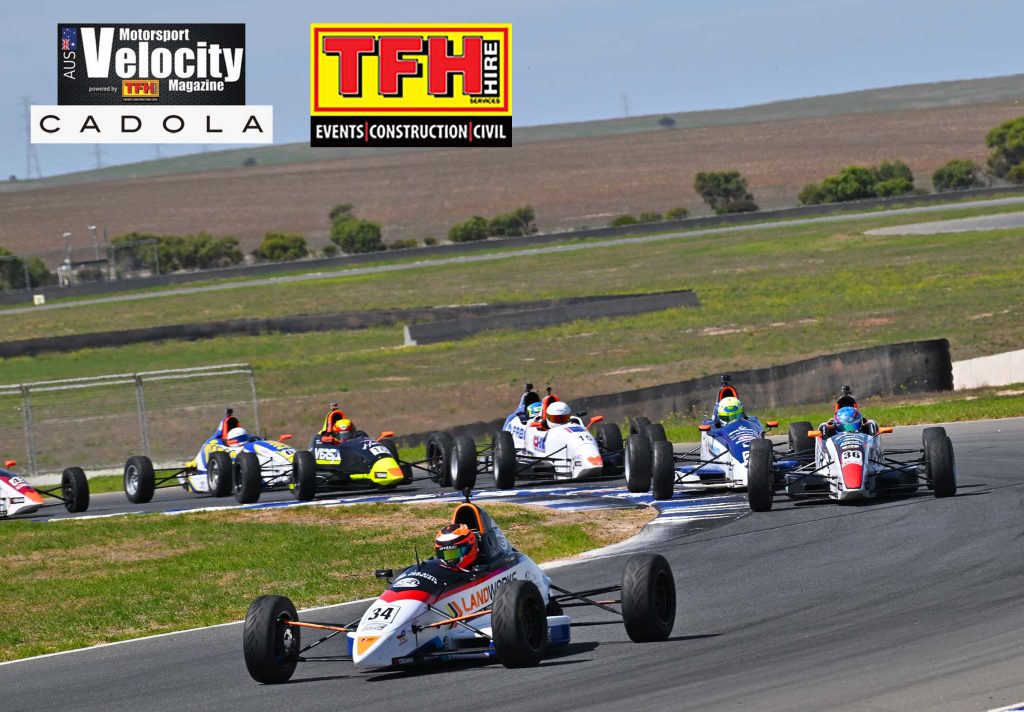
Throw in a family association in the creation and development of van Dieman racing cars (Ambrose won the 1999 European title in a RF99) and that knowledge transcends driving to car design and preparation.
From the moment Marcos Ambrose brought his race team and daughter Tabitha into the AASA fold, he was sold on the ideology of the organisation. He was quick to offer useful suggestions which brought improvements to their business model.
It was an input that Whyte wasn’t about to refuse.
From meet and greets with fans to evening Q & As at the track, Marcos embraced both the AASA and Hi-Tec Oils cultures.
It proved to be both a priceless promotional opportunity and technical consultancy rolled into one.
And it was a relationship in which Stephen Whyte and George Gambino were keen to formalise.
Marcos Ambrose was handed the new position of AASA Competition and Commercial Director with, as Stephen Whyte put it, complete control of everything that happens on track.
Ambrose soon introduced a raft of new ideas and different approaches to the business of on-track motorsport.
The abolishment of time certain finishes was first on his agenda.
Stationary starts, starting lights, mechanical failures on the grid and racing incidents into the opening corner were all considered factors which impinged upon race time and created waste.
Driver infringements and restart processes were also examined.
A system of yellow and red cards with varying degrees of consequence were created and trackside boards designating formation and restart zones also appeared during the 2026 season opener at Shell V-Power Motorsport Park.
It seemed like a licorice all-sorts of F1 and NASCAR. And why not? They are arguably the two largest motorsport markets in the world, leaders in the delivery of racing that incorporates legislated equalities, delivering products that people just can’t seem to get enough of.
Marcos brings a wealth of knowledge as to how the decision makers can improve in ways that are better for competitors, officials and those who support the industry.
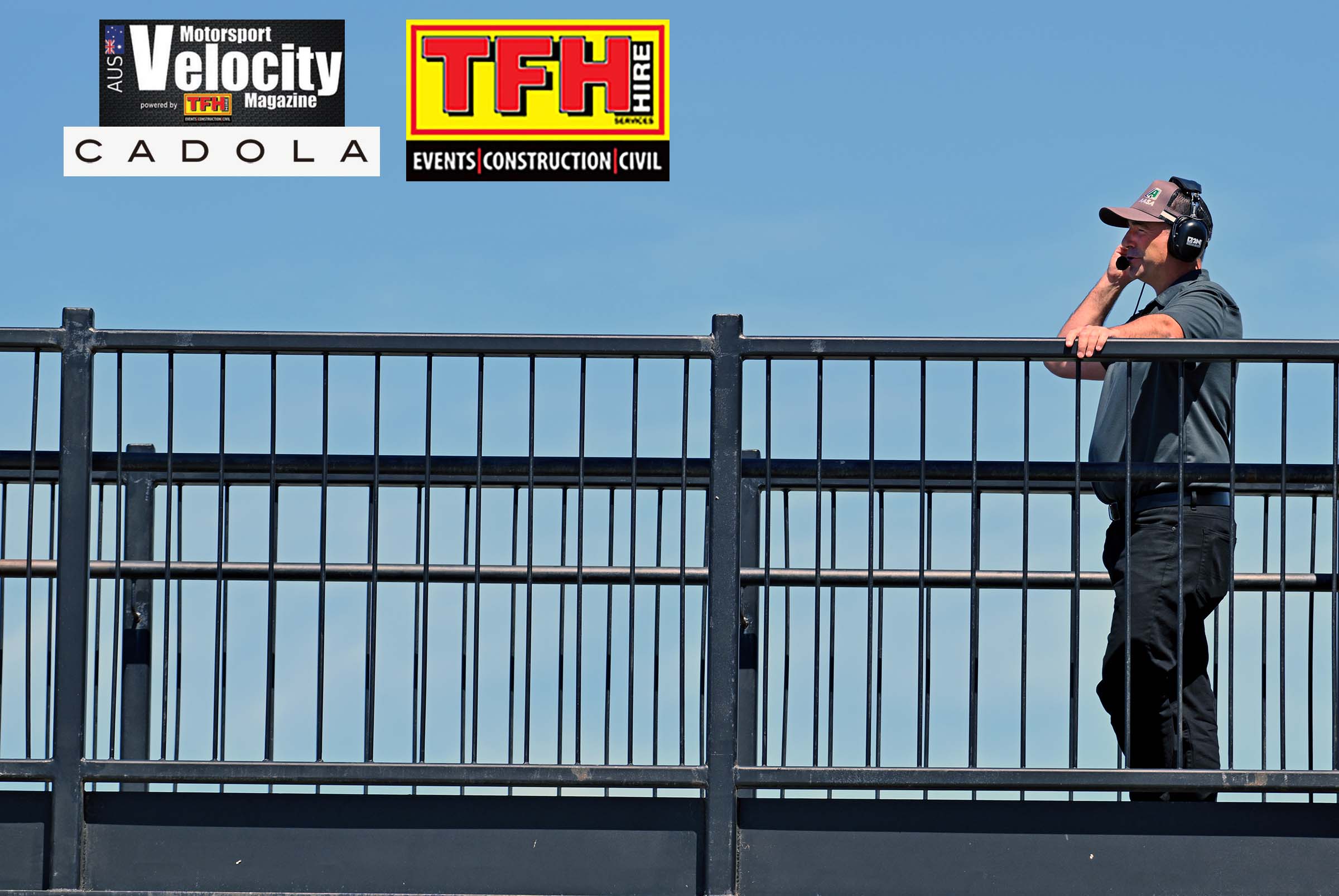
Ambrose was at the forefront throughout the weekend, learning and growing in the business of race administration in the process. He was often on the pedestrian walkway just outside Race Control, gently guiding the pace car driver, like a NASCAR spotter, to steady and compress the field before speeding away during those final moments before the field roared into action through the restart zone.
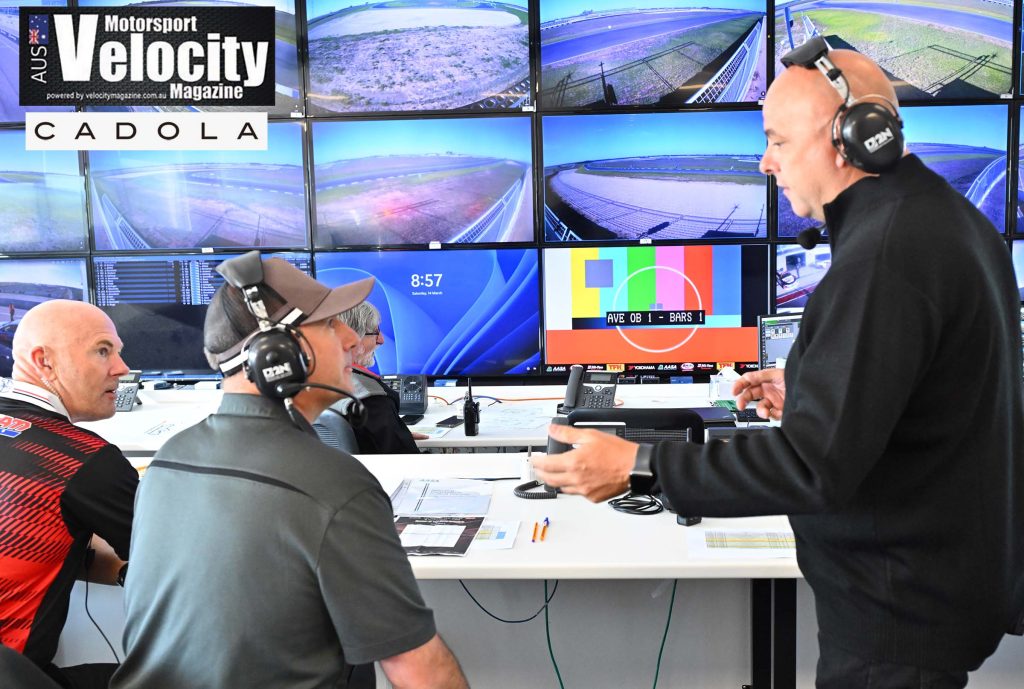
He led a growing team of AASA staff with Whyte in Race Control, aided by Graham Sattler, Adam Conway amongst the crew.
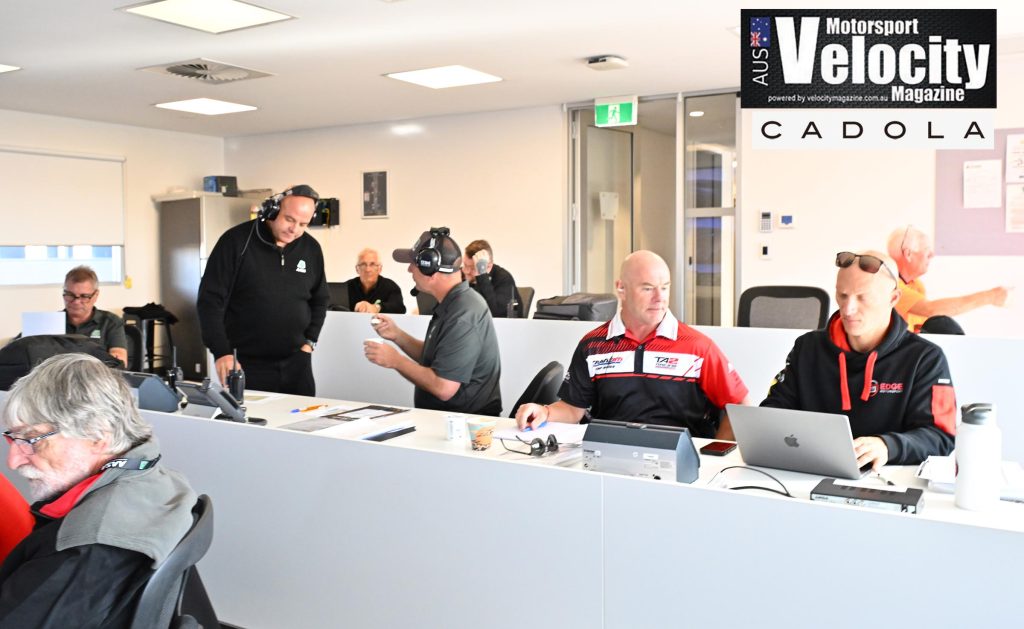
Friday afternoon saw the revolution begin in the opening Legend Car race. It was a rather ragged affair which left cars skewed towards the front straight wall moments after the start and more sideways at Turn 1 shortly after.
One competitor later explained to Velocity Motorsport Magazine that the issue didn’t lie in the starting process, but more so in a competitive urge to ‘jump’ early.
It was a learning process for all.
By Saturday afternoon it was seamless, as if it had been standard practice for years.
As a trackside photographer covering most corners of the Shell V-Power Motorsport Park’s West layout, it gave me the opportunity to observe the actions of both drivers and race officials across the weekend.
And what an interesting process it was.
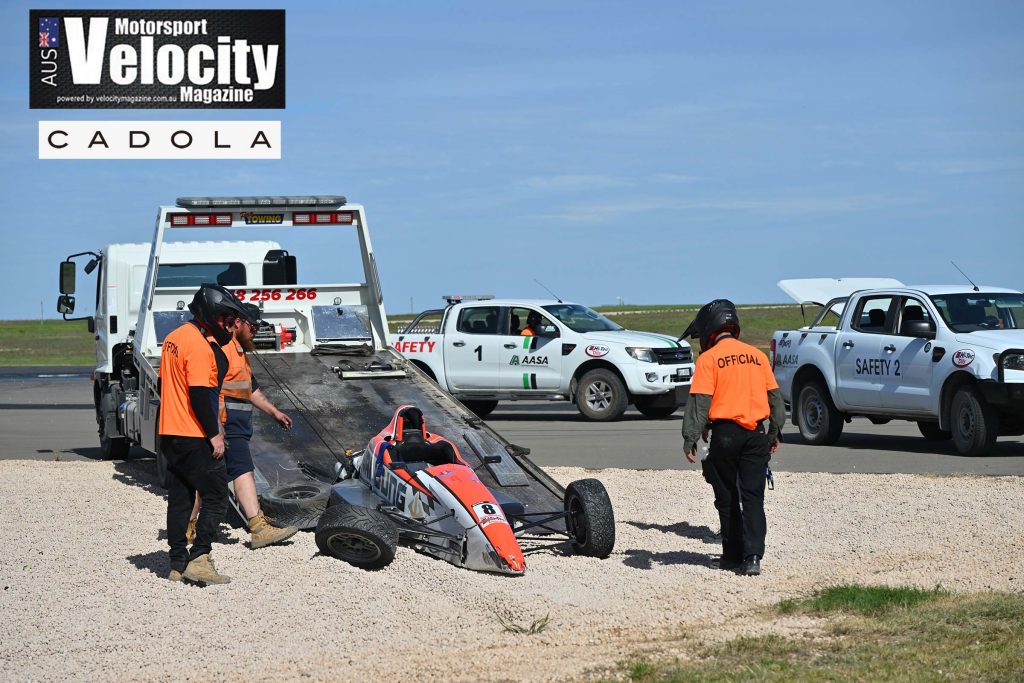
In ways most reminiscent of a colony of ants, the recovery crews, whom I assumed were drafted from their Winton base, darted back and forth across an elaborate set of pathways the linked all corners of the track without the need to actually commute to the action on the race circuit itself.
It was quite similar to the central pathway that dissects either end of Winton Raceway.
The concept of a travelling team of recovery crews to each race meeting is also characteristic of American racing; Indycar and NASCAR, while the Repco Supercars Championship has some full-time recovery people who work with local volunteers across the country.
The AASA has also worked closely with Wodonga TAFE in the development of their Motorsport Training Australia certificates in Motorsport Technology and Engineering. Graduates have moved into motorsport careers with race teams across Australia, Europe and New Zealand, while others have continued in motorsport administration roles. (This is a future story in itself!)
I suspect that many of these participants, both past and present were those unsung helmeted heroes who were strapped into these recovery vehicles, moving with increasing efficiencies across the weekend as past theory became current realities.
I truly wish that these surmises are correct. You see, should this be the case we have finally moved towards a motorsport profession for recovery workers and administrative posts which have been previously undertaken in a voluntary process only.
The idea of a core group of young graduates criss-crossing the country to play their role in a race meeting points to a new level of professionalism not seen before in Australian motorsport at any level.
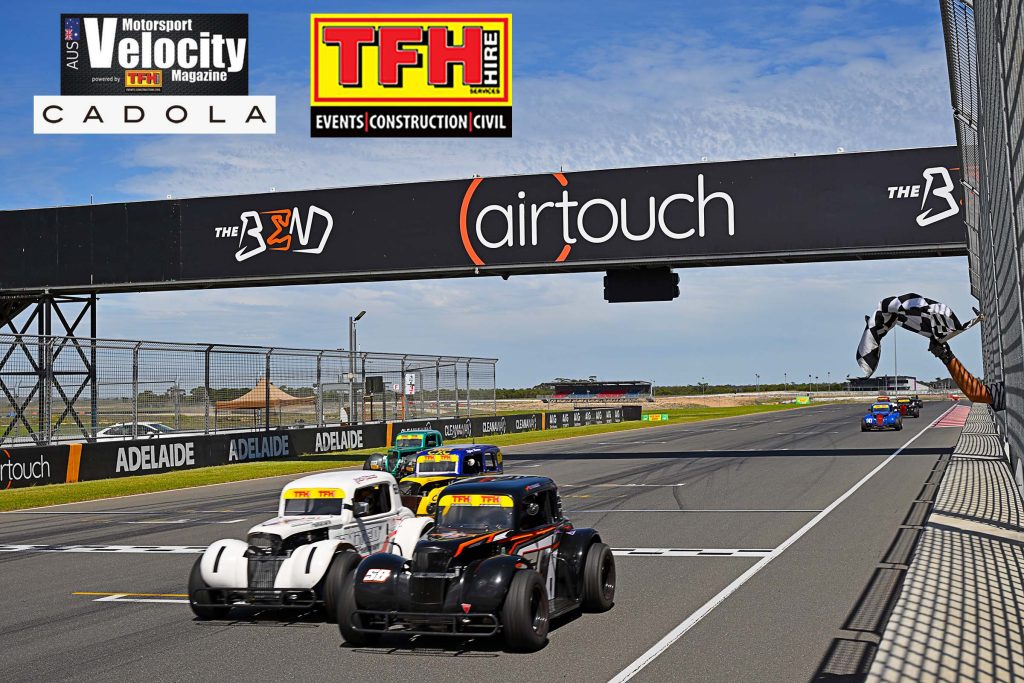
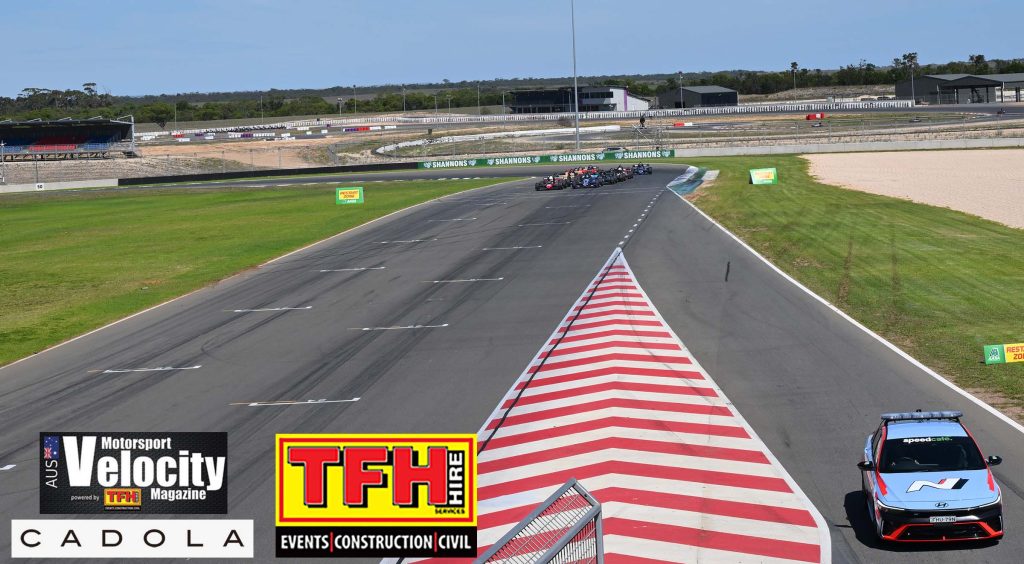
To consider that these crews attended a multitude of parkes cars, two fires, a series of multi-car crashes with at least two red-flags across the weekend, yet every race completed the scheduled distance is generally unheard of.
It is also something to be admired and better still, brought in across the board.
For Marcos Ambrose, taking in those co-ordinated moments of activity from his vantage point along the pedestrian overpass, there must have been some sense of satisfaction, and perhaps the odd moment of relief as his vision came to fruition.
AASA Competition and Commercial Director Marcos Ambrose
“We at the AASA were delighted to see the new rules and regulations roll out successfully at The Bend Motorsport Park,” Ambrose was later reported.
“We will continue to refine and adapt the new Circuit Racing Standing Regulations during the season. We certainly learnt a lot at our first event, and we look forward to assessing the outcomes and improving what was rolled out at The Bend”.
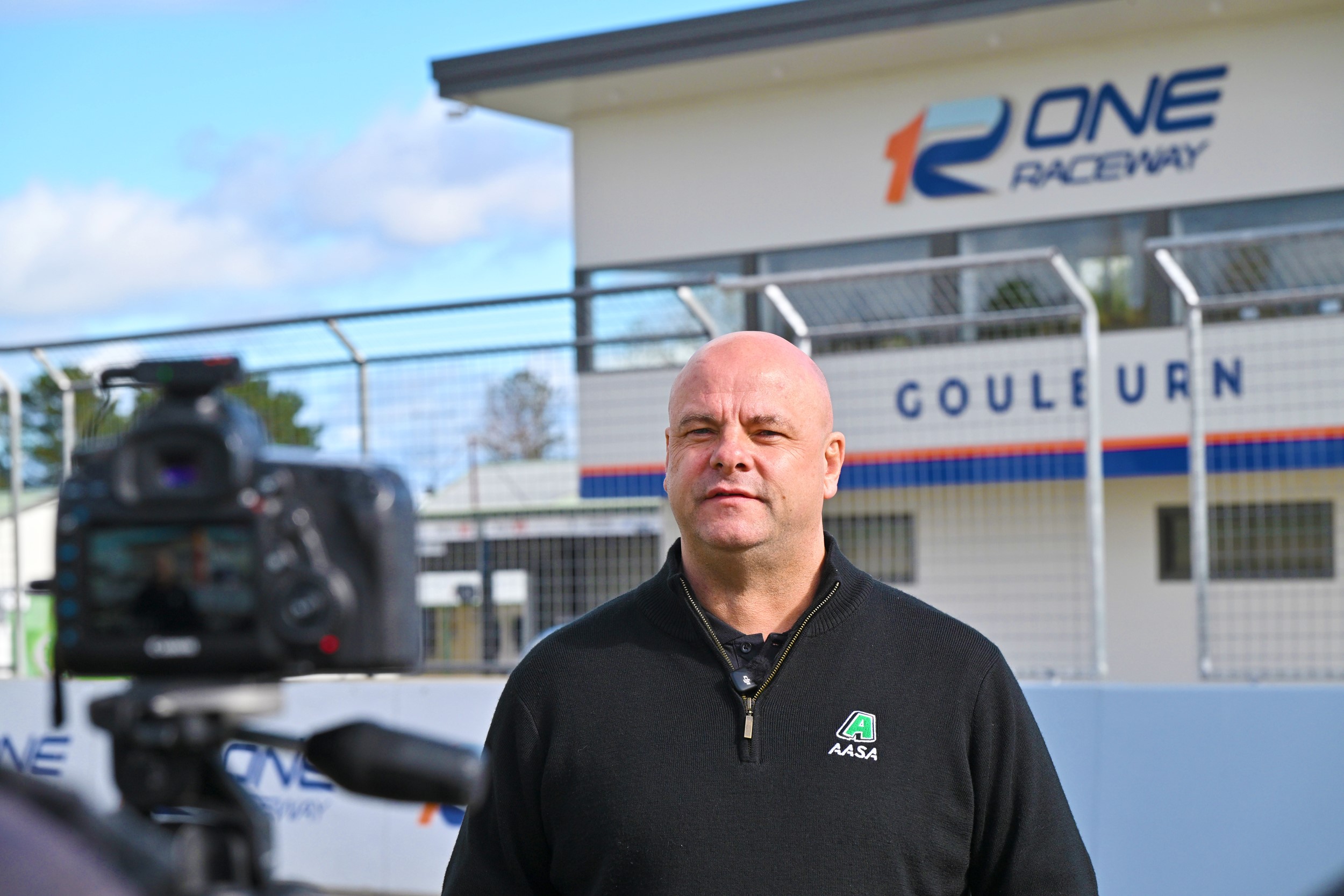
AASA CEO Stephen Whyte
For AASA CEO Stephen Whyte, that vote of confidence amidst the raft of changes to a series that had grown exponentially across the past three seasons, must have been of equal satisfaction,
“After a lot of work in the off-season, it was fantastic to see it play out in reality, and we are pleased with how it went. There is some room for subtle alterations, but as a whole we are very satisfied,” he said.
“We are pleased to report that the feedback on the new rules and regulations has been really positive.
“The racing on the weekend was constant, drivers certainly can’t complain they didn’t have any shortage of green flag racing action.
SUBSCRIBE TO VELOCITY MAGAZINE
For all our news keep your eyes peeled on the Velocity Magazine website and social media, Facebook, Twitter and Instagram for our daily updates and to get the latest edition of our glossy magazine subscribe here from just $55 for 12 months subscription.
GET OUR LATEST ISSUE NUMBER 55 HERE
NAMING RIGHTS SPONSOR


Related Posts

This Post Has 0 Comments